Logging, monitoring, alerts and status pages
Course: Monitoring, Logging and Newrelic - chapter 1
Logging
Section titled “Logging”Logging refers to the practice of recording events, messages, or data points generated by software applications and systems. These logs can include various types of information, such as:
- Error Messages: Details about errors and exceptions that occur.
- Access Logs: Records of who accessed what resources and when.
- Audit Logs: Records for compliance and security purposes.
Monitoring
Section titled “Monitoring”Monitoring involves the continuous observation of a system to ensure it is operating correctly and efficiently. It includes tracking various metrics and performance indicators, such as:
- CPU Usage: Monitoring how much processing power is being used.
- Memory Usage: Tracking the amount of memory being utilized.
- Disk I/O: Observing read/write operations on storage devices.
- Space: Total amount of space available on the machine
- Network Traffic: Measuring data transfer rates and network activity.
- Application Performance: Monitoring response times, throughput, and error rates.
Alerts
Section titled “Alerts”When there are logging/monitoring systems in place, you can put up alerts to be called/messaged/slacked/paged when
- A system goes down
- CPU usage goes above a certain point
- Error count goes up
Monitoring dashboards
Section titled “Monitoring dashboards”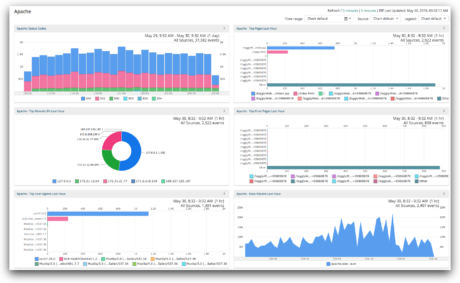
Status pages
Section titled “Status pages”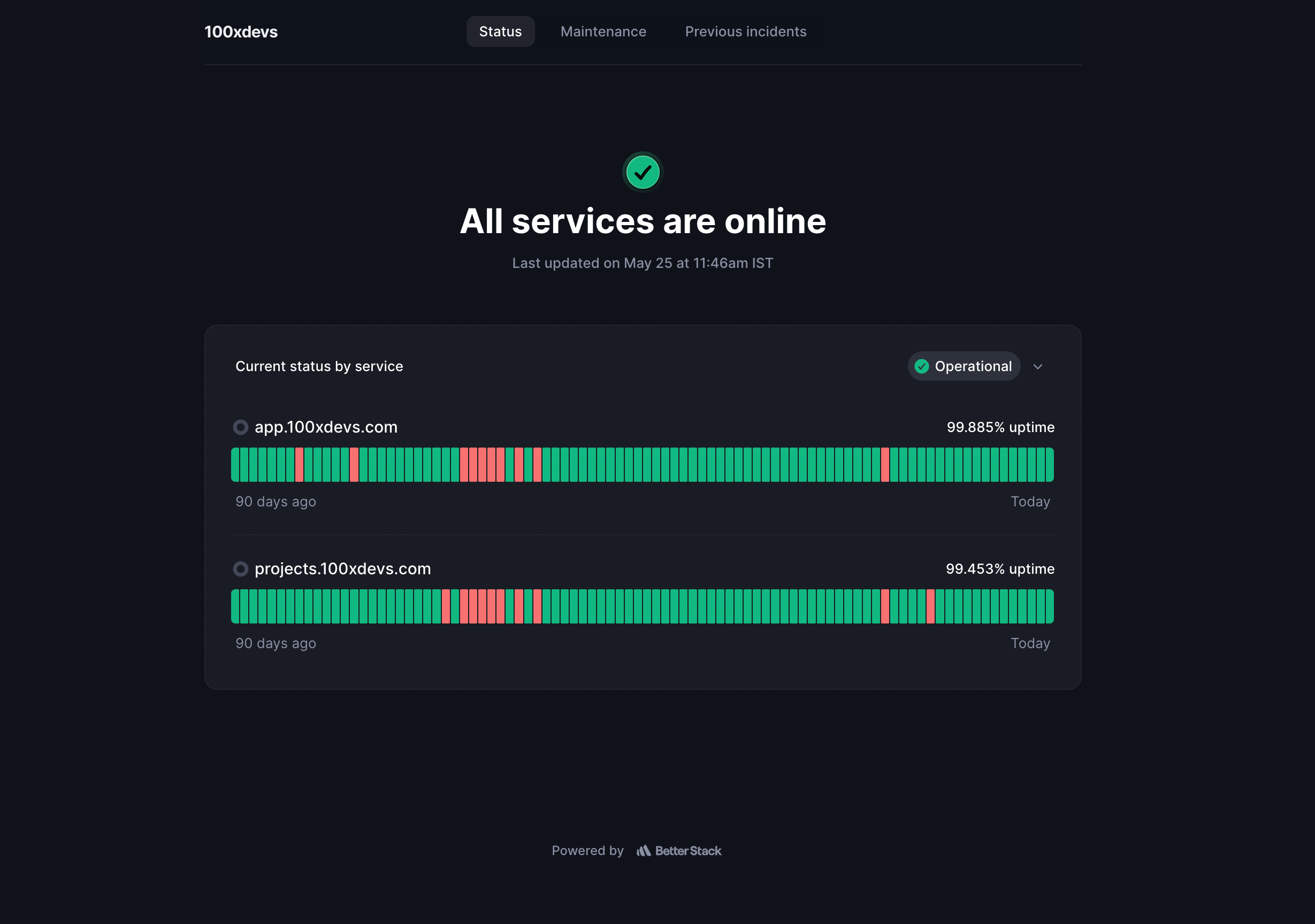
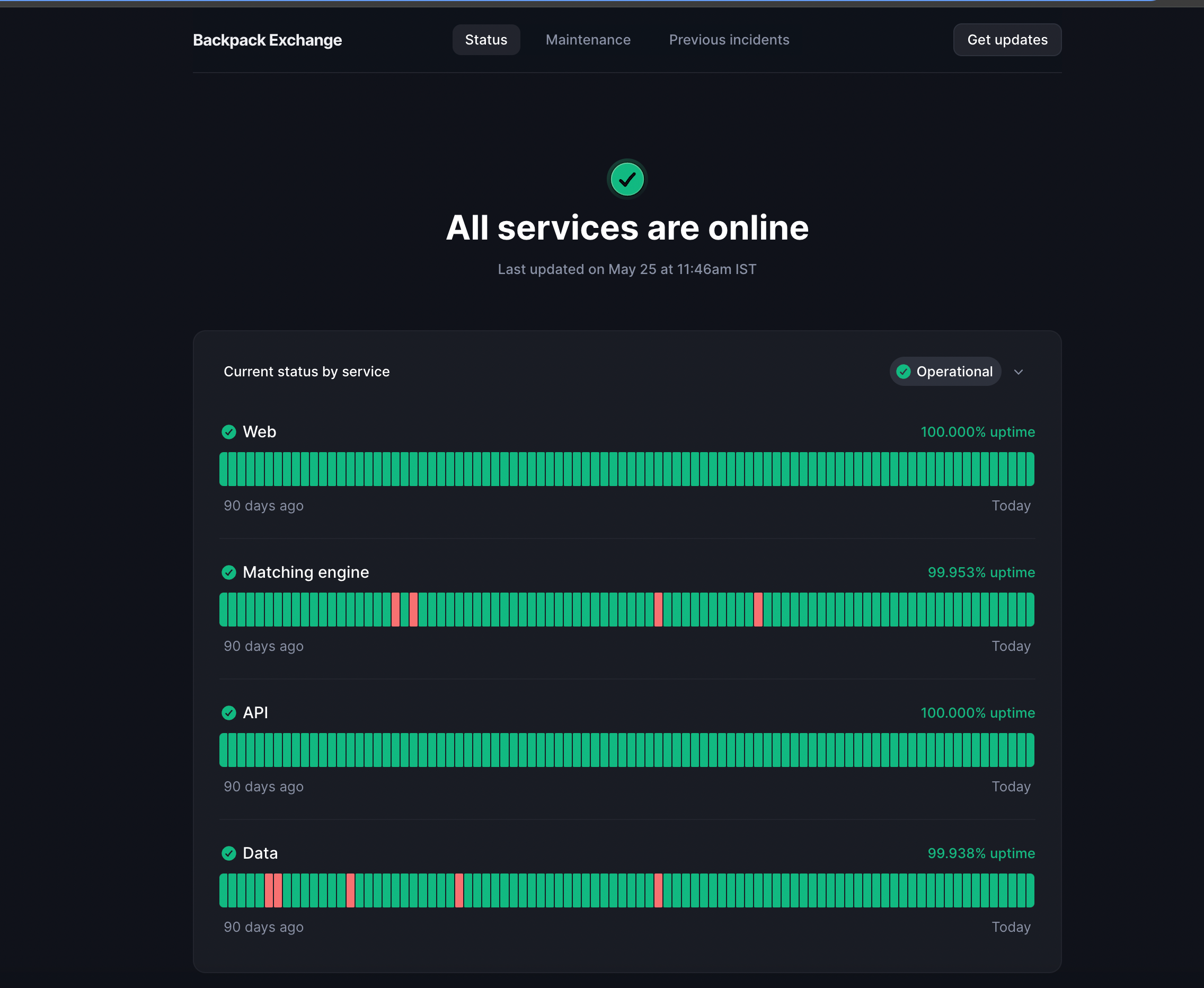
https://status.backpack.exchange/